My mother kept my primary school report cards under the mattress.
To get to them, she had to lift the mattress with one hand and reach with the other into the quiet space between the mattress and the bed frame. That was where the important documents lived. Birth certificates. Land papers. WAEC results from decades earlier. And a small stack of bound booklets, one per term, with my name written in cursive on the cover.
Each booklet had my subject scores inside in red ink, my class teacher's remark at the bottom, and a stamp from the school at the back. Three times a year, a new one was added to the stack.
For most Nigerian parents of a certain generation, this was the rhythm. Term began. You trusted the school. Term ended. The report card came. You learned how your child had done. You signed the booklet, gave encouragement or warnings depending on the numbers, and the term began again.
I think about that rhythm now and it feels like a different country.
What it was like
Before digital report cards and parent portals, the Nigerian parent existed in a kind of productive blindness about their child's academic day-to-day.
You did not know whether your child had written CA1. You did not know if she had been late to school. You did not know if the English teacher had raised a concern about her handwriting. You heard about the school play from your child, if she remembered to mention it. You heard about the outbreak of malaria in her class from another parent, if you were on the PTA WhatsApp group, which did not exist yet, so actually you heard about it from another parent at a birthday party six weeks later.
The school was a place your child went. The report card was the audit.
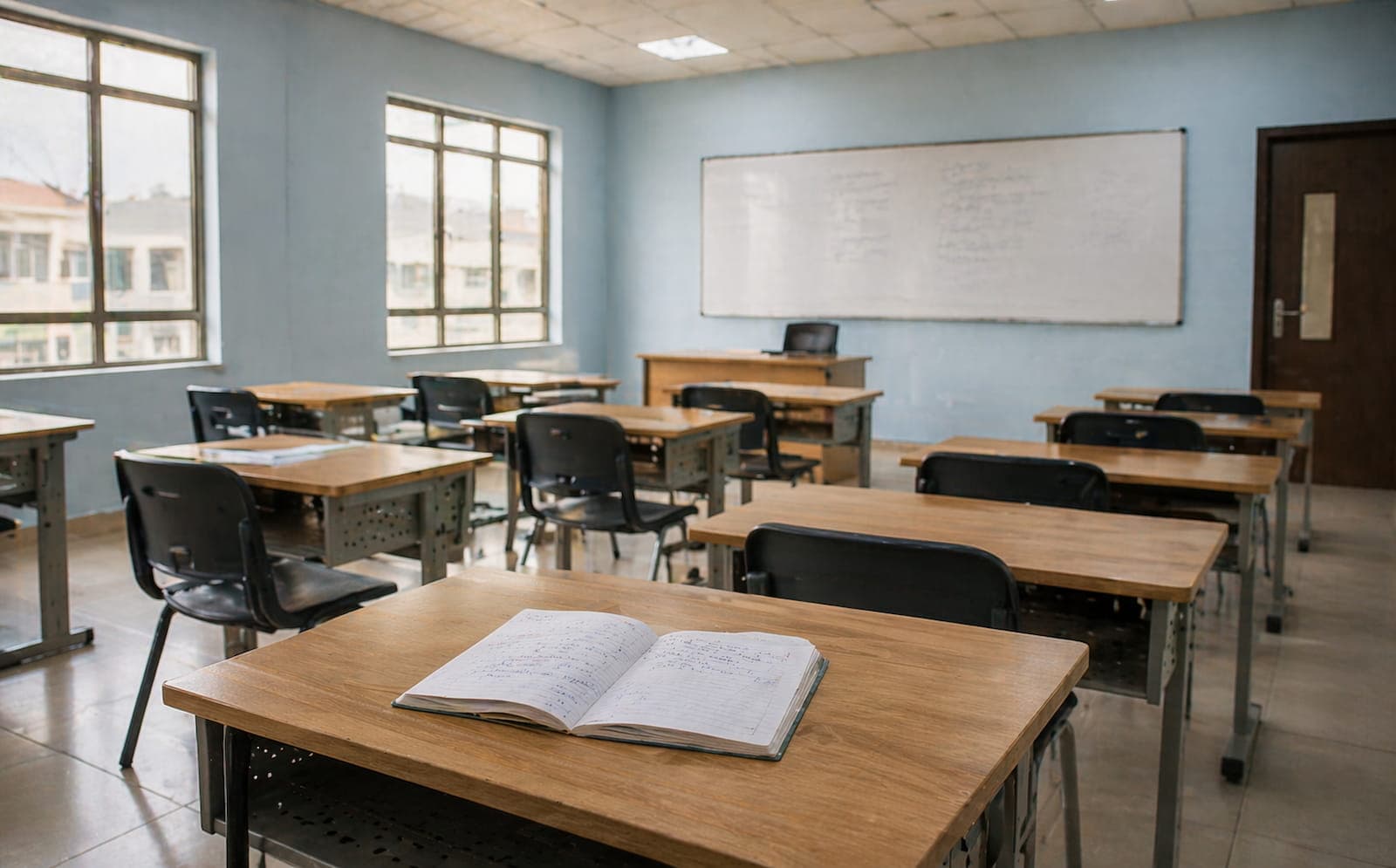
This was not neglect. It was the system the time allowed. Nigerian schools had forty students to a class and one teacher who did not have the time to send individual updates about any of them. Parents had their own work, their own siblings to check on, their own lives, and the infrastructure to keep them informed about their child's school day simply did not exist.
So the rhythm held. Three times a year, a booklet came home. That was enough because there was no other way.
What it is like now
Open the parent group of any Nigerian private school today and the texture is completely different.
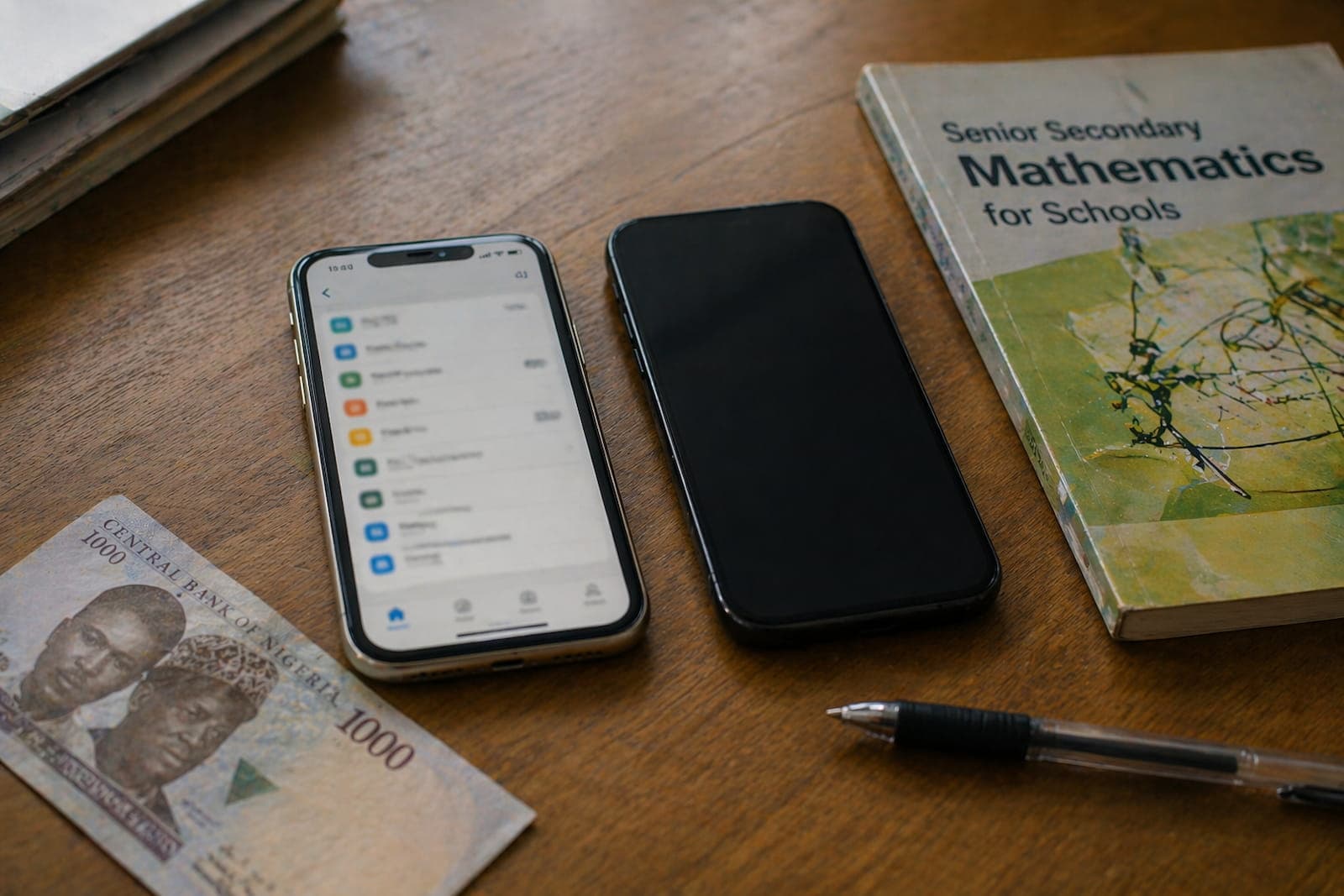
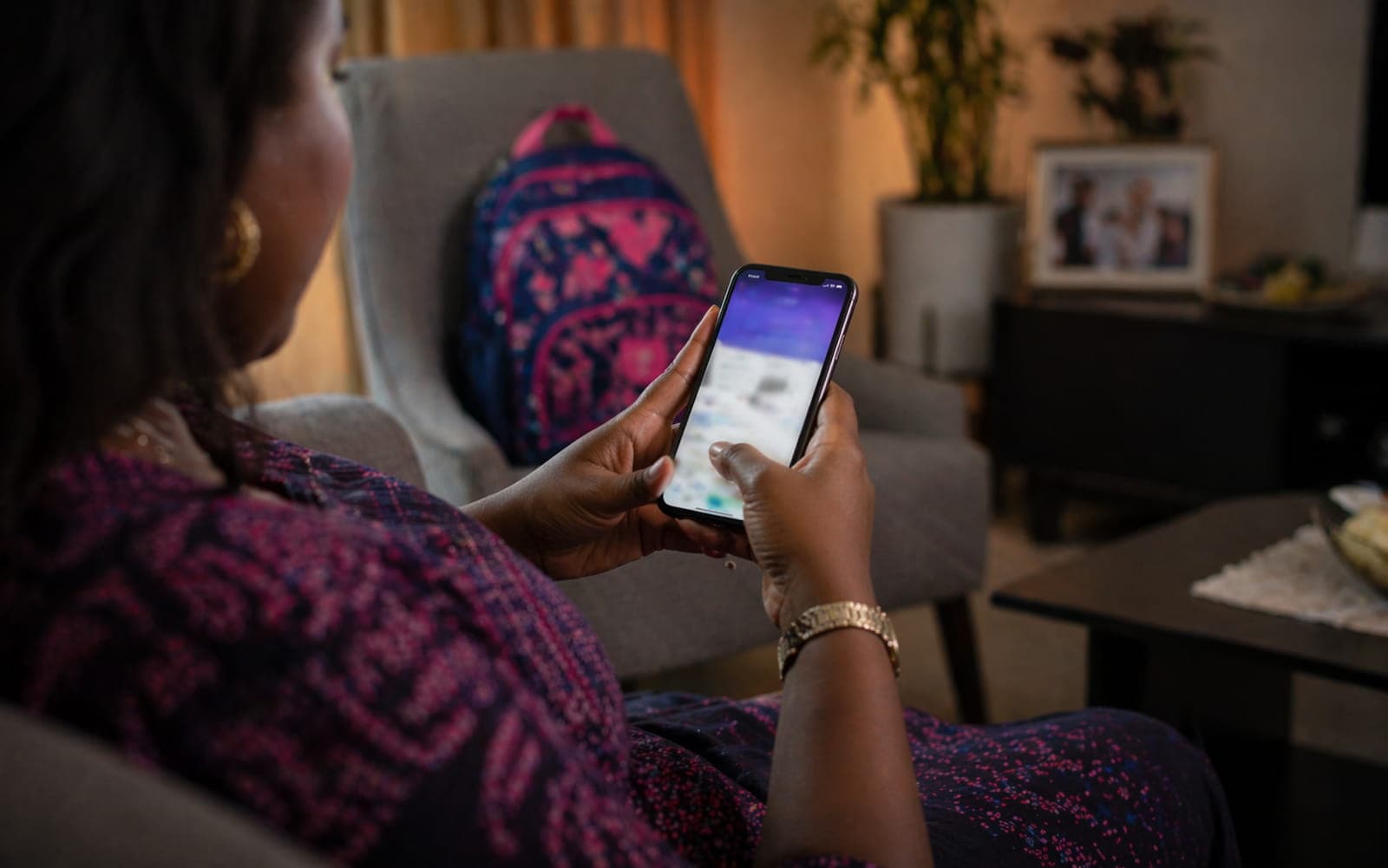
A parent in Abuja traffic gets a notification that her daughter's CA2 mathematics score has been posted. She opens the app, sees a 17 out of 20, screenshots it, sends it to her husband on WhatsApp. They discuss whether to let their daughter have her phone back this weekend based on this one data point, recorded that morning by a teacher at the back of a classroom in Lekki.
A father in Port Harcourt sees that his son was absent on Tuesday. The app tells him before the son gets home. He asks questions that evening. The son, who had not planned on mentioning it, tells the truth.
A grandmother in Lagos, looking after her grandson while his parents are traveling, pulls up the parent portal to see when the next PTA meeting is. The portal also tells her that the grandson has been improving in English over the last three weeks. She calls her daughter, who is in London for work, and tells her. Her daughter smiles into a London evening.
The report card, when it comes at end of term, is no longer a revelation. It is a confirmation. The parent already knows.
Why this matters
There is a temptation to treat this shift as a minor technological upgrade. Information moved from paper to screens. Communication sped up. The school got more efficient.
That framing misses what actually changed.
Nigerian parents used to relate to their children's education through the school. Now they relate to it directly. The teacher is no longer the only witness to their child's academic life. The parent sees it too, as it happens, and engages with it in real time. This changes the relationship between parent and child. It also changes the relationship between parent and school.
For parents, the shift has been mostly good. A mother who sees her daughter's CA scores as they come in can celebrate the progress or step in if there is a problem, before end of term makes it too late. A father who catches an attendance slip in week two can have a conversation with his son in week two, not in January when the report card reveals it. Engagement is higher. Intervention is earlier. Trust in the school goes up when the school is transparent about what is happening.
For schools, the shift has created new pressure. A teacher whose CA scores are visible to parents the next day has to grade accurately and quickly. A proprietor whose attendance data is live cannot fudge attendance records for a student whose parents pay on time. The old asymmetry, where the school held the information and the parent waited for it, has collapsed.
That asymmetry was not entirely bad. It gave schools space to manage their own work without constant scrutiny. It gave teachers room to catch mistakes before anyone saw them. Some of what we lost when parent portals arrived was real.
But the net effect, in most Nigerian private schools, has been positive. Parents are more engaged. Children know their parents are paying attention. Schools are more accountable. The worst schools have less room to hide. The best schools have more room to show their work.
What has not changed
Some things survived the shift.
Nigerian parents still wait for the physical report card at end of term. Many of them print the digital version, sign it, and put it in a folder at home. The ritual of receiving a term summary has moved online, but the significance of the document has not. Parents still want to see it, hold it, keep it.
Nigerian parents still call the class teacher directly when there is a concern. The parent portal tells them what is happening, but it does not replace the WhatsApp call at 8pm on a Tuesday. The human relationship between parent and teacher is still where real decisions get made.
Nigerian parents still keep the report cards. A mother in Lagos, whose children are now grown, still has their primary school report cards under the mattress somewhere. The stack has been updated with printed pages from a parent portal, but the instinct is the same. These are records worth keeping.
Some rituals survive the technology that could have replaced them. The report card is one of them.
A reflection
I think about my mother's mattress, and the quiet stack of booklets underneath it, and the three times a year when my report cards came home.
I do not miss the blindness of that rhythm. The parents of my generation did not always know their children were struggling until end of term made it undeniable, and by then another term had been lost. The tools parents have now are better. The children are better served by parents who know. The schools are better served by parents who engage.
But there is something to appreciate about that quiet stack. About the weight of three booklets a year, waited for, read together, discussed over dinner. There was a slowness to it that parents today do not get, because their children's academic lives now stream to them in real time, and slowness is harder to find.
The revolution is not in the technology. It is in the fact that Nigerian parents, for the first time, are not waiting.
What this means for your school
If you run a Nigerian school, this shift is not optional. Parents are already living in the new rhythm. They expect to see their child's CA scores within days of the test, not weeks. They expect attendance information in real time, not in the termly report card. They expect the school to meet them where they already are.
The schools that built for this have earned parent trust that older schools, still running on paper and end-of-term reveals, are losing month by month. Parent engagement is no longer a bonus. It is the baseline.
SLAET is the platform we built to make this shift easy for Nigerian schools. Teachers enter CA scores once, and parents see them the same day. Attendance is live. Report cards are generated automatically at end of term, digital and printable. Every parent gets access through the channel they prefer, whether that is the app, push notifications, email, SMS, or WhatsApp.
Start a free SLAET account for your school. Your Starter tier is free forever for up to 100 students and covers the academic records, attendance, parent portal, and communications that put your school on the right side of this shift.
The parents in your school are not waiting. Your school's systems should not be either.