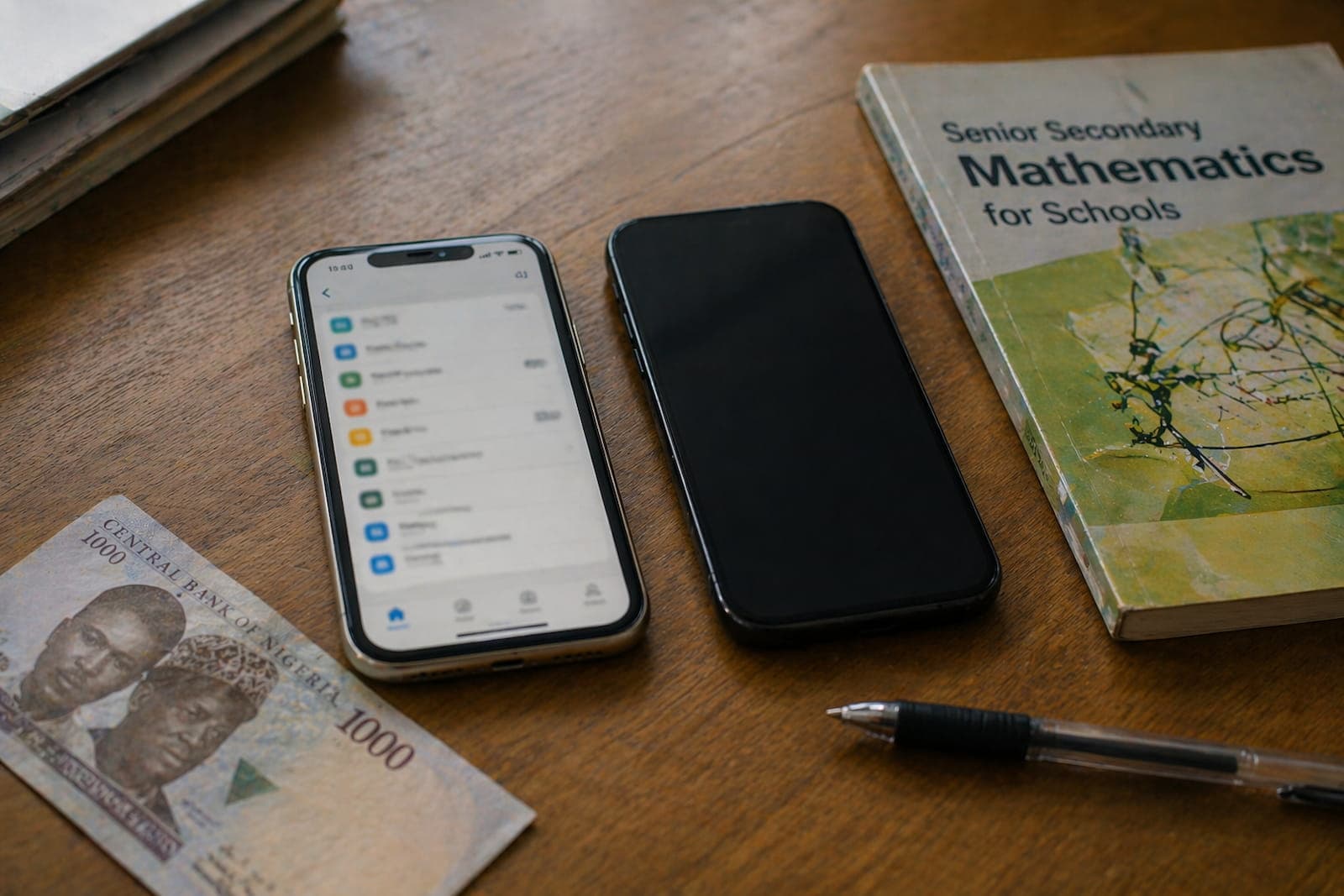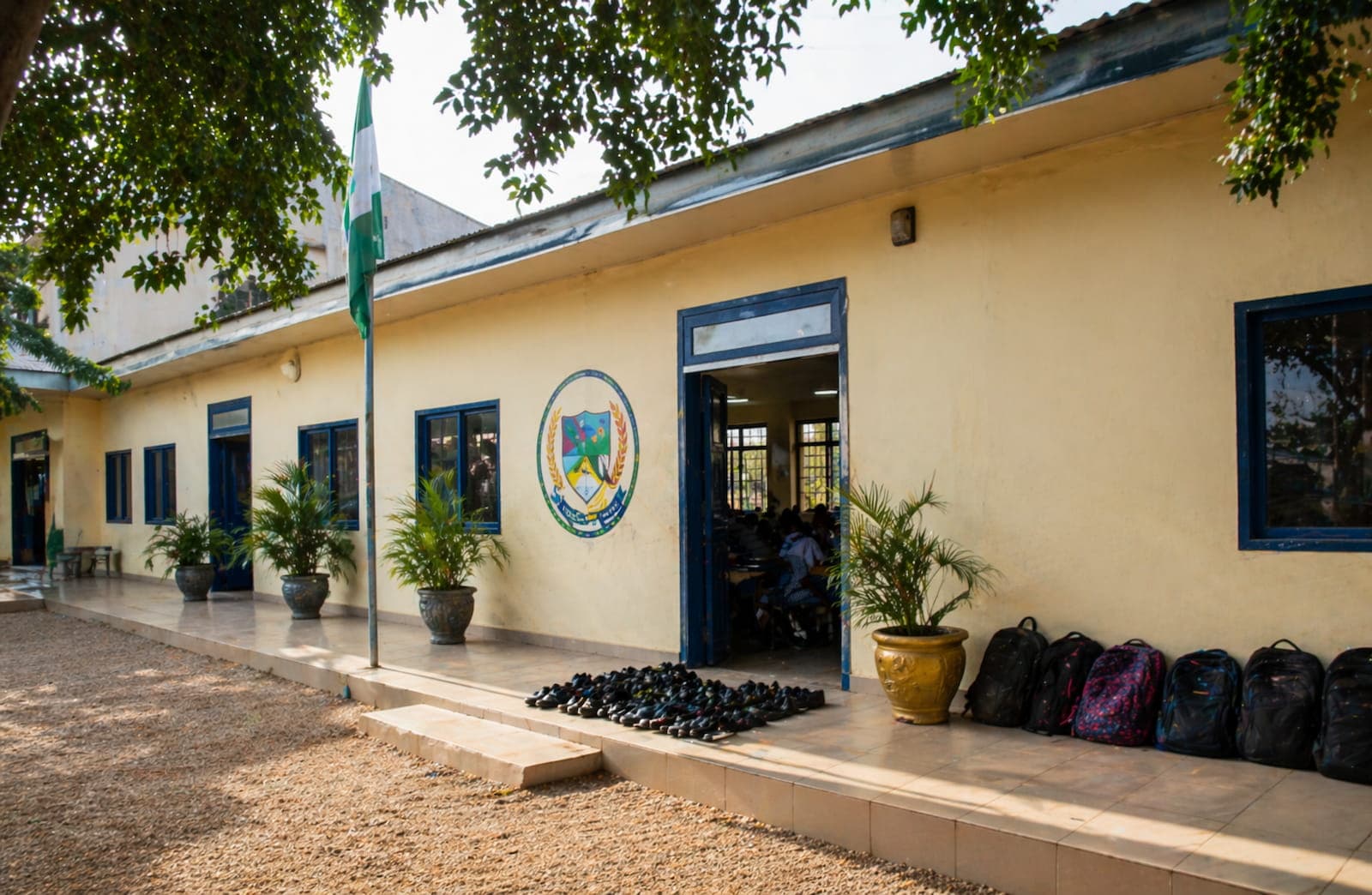
A school in Ondo State is running its full term on SLAET right now. Attendance tracked daily. Results entered as they're graded. Report cards generated automatically. Parent portal active. The school has never paid us a naira, and it never will.
That school is one of the first Nigerian nonprofit schools in the Legacy Program. Every qualifying mission and nonprofit school in Nigeria gets the same thing: the complete SLAET platform, almost every module, unlimited students, unlimited staff, forever free.
This post explains what the Legacy Program is, who qualifies, how to apply, and why I built it. The short answer on that last part is: I'm a member of Celebration Church International, and this is my legacy project. More on that below.
What is the SLAET Legacy Program?
The Legacy Program gives qualifying Nigerian nonprofit and mission schools free access to the SLAET school management platform. It covers almost every module available to paying Campus-tier customers. There is no student limit. There is no time limit. There is no "community edition" with watered-down features.
When we ship updates to paying customers, Legacy schools get the same updates at the same time. Same product, priced at zero for schools that need it.
What the Legacy Program includes
Qualifying schools get:
- Unlimited students. No cap, ever.
- Unlimited staff accounts. Every teacher, every admin, every support role.
- All academic modules. Results, report cards, grading (CA1, CA2, exam), attendance, assessments.
- Admissions management. Handle applications and new student onboarding.
- Payroll. Staff salary tracking and disbursement records.
- Full parent portal access. Every parent gets a browser-based portal for their child's records.
- In-app communications. Announcements and messages that actually reach parents.
- Priority onboarding support. A real person helps set the school up.
The only module not included in Legacy dashboards is fees management. I took it out deliberately. Nonprofit and mission schools either charge no tuition or charge a nominal amount covered by donors or the sponsoring organization. A fees module would mostly sit unused, and keeping it visible would be clutter. If a Legacy school ever needs basic fee tracking, they can talk to us and we'll figure it out case by case.
Everything else is the exact platform paying Campus-tier customers use. Same codebase. Same updates. Same performance.
Why the Legacy Program exists
Good software costs money to build and run. Servers, engineering, support, compliance, the dozen other line items only visible from inside a business. That cost has to come from somewhere, and for most schools that somewhere is tuition fees.
SLAET's paid tiers are priced to fit within what Nigerian private schools can afford. Our Growth tier starts at 20,000 naira per month for founding customers, which works out to less than 100 naira per student per month at capacity. Most private schools can absorb that.
But not every Nigerian school is a fee-paying private school.
There are schools operating in places where families earn less than 50,000 naira a month. Mission schools in underserved communities. Nonprofit schools run by organizations that fundraise their entire budget. Schools that serve displaced children, orphanages, communities other institutions have written off.
These schools exist across Nigeria. Their administrators work harder than most, often with fewer tools, for less recognition. They are running the most difficult schools in the country and they are doing it well.
They are also exactly the schools that would benefit most from proper software. Better attendance tracking means catching absenteeism before a child drops out. Better parent communication means engaged families. Better administrative tools means the principal spends less time on paperwork and more time on students.
I couldn't watch that gap and do nothing.
Who qualifies for the Legacy Program
We review every application. The program is meaningful, so we want to make sure it reaches schools that actually need it.
A qualifying school meets most or all of these criteria:
Registered nonprofit or faith-based status. Legally constituted as a nonprofit, charity, or mission school in Nigeria, with registration from the relevant state Ministry of Education.
Free or heavily subsidized tuition. The school charges no fees, or charges fees below operational cost with donors covering the gap.
Serves underserved communities. Students come primarily from low-income families, displaced communities, or regions where a for-profit school would not viably operate.
Minimum one full academic year of operation. We prioritize schools with demonstrated commitment. One completed academic year is the bar.
Genuine financial need. Paying for school management software would be a real stretch, not a nice-to-have.
We are not rigid. A school that meets four of five criteria strongly is a reasonable candidate. A school that is underserved but younger than a year is welcome to apply. We will have a conversation.
Example: how a Legacy school uses SLAET
Composite example based on schools in our current Legacy cohort. Specific details are illustrative.
A mission school in a semi-rural part of Ondo State serves about 180 students. Most families earn less than 50,000 naira per month. Tuition is nominal, covered mostly by members of the partnering church and occasional grants.
Before SLAET, the school ran on paper. Attendance in a bound register. Report cards handwritten by class teachers at the end of every term. Parent communication via paper circulars sent home in schoolbags, which reached parents with mixed success.
After joining the Legacy Program, three things changed within one term.
Teachers started recording attendance daily from their phones. Within a term, the school identified two students whose attendance was quietly declining, spoke with their parents, and prevented what would almost certainly have been dropouts.
Results entry moved fully digital. At term end, report cards that previously took two weeks of teachers' personal time to prepare were ready in a day. The academic coordinator told me she got her weekends back.
Parents started receiving in-app announcements. Those with smartphones got access to the parent portal, where they could see their children's academic records in real time. Parent engagement, according to the principal, "changed completely."
The school has not paid for any of this. Under the Legacy Program, they never will.
Why I called it Legacy
I'm a member of Celebration Church International, a Nigerian church that declared 2025 their Legacy Year, with the theme "Loving God, Loving People."
Every CCI member is tasked with identifying a legacy project. Something in your sphere of influence, tied to your skills and calling, that outlasts you. Community development, education, empowerment, health, spiritual impact. Builders asked to build on purpose.
For me, that project is this program. I have been working on SLAET for some time. I could have shipped a paid product, priced it for the schools that could afford it, and called that enough. But I sat with the Legacy Year mandate for months and kept coming back to the same thought: the schools that would benefit most from better software are the ones least able to pay for it. And I'm building the software.
Giving SLAET to nonprofit schools free, forever, is my legacy project. It is how I'm trying to answer the call my church gave me, with the skills I have, in the field I know.
I say this openly because I want the story behind the program to be the real one. Not marketing framing. Not a clever "Free Tier" rebrand. A member of a Nigerian church, trying to give back to Nigerian schools the country does not always see, using the tool I happen to be building.
If your school aligns with that mission, whether your school is faith-based or not, you are welcome here.
How to apply for the Legacy Program
Apply at app.getslaet.com/nonprofit-apply. The application takes about ten minutes and asks for basic information about your school, your students, and your mission.
We review every submission within seven working days. If we need supporting documents like registration papers or financial summaries, we ask for them during review.
Approved schools are set up within 48 hours. Your account is provisioned, your team is onboarded, and you're running SLAET at full capacity.
Declined schools get a reason for the decline and are welcome to reapply after addressing the specific concern.
If your school qualifies, apply for the Legacy Program. If you know a school that qualifies, send them the link.
You can also read more about the Legacy Program on our nonprofit page.